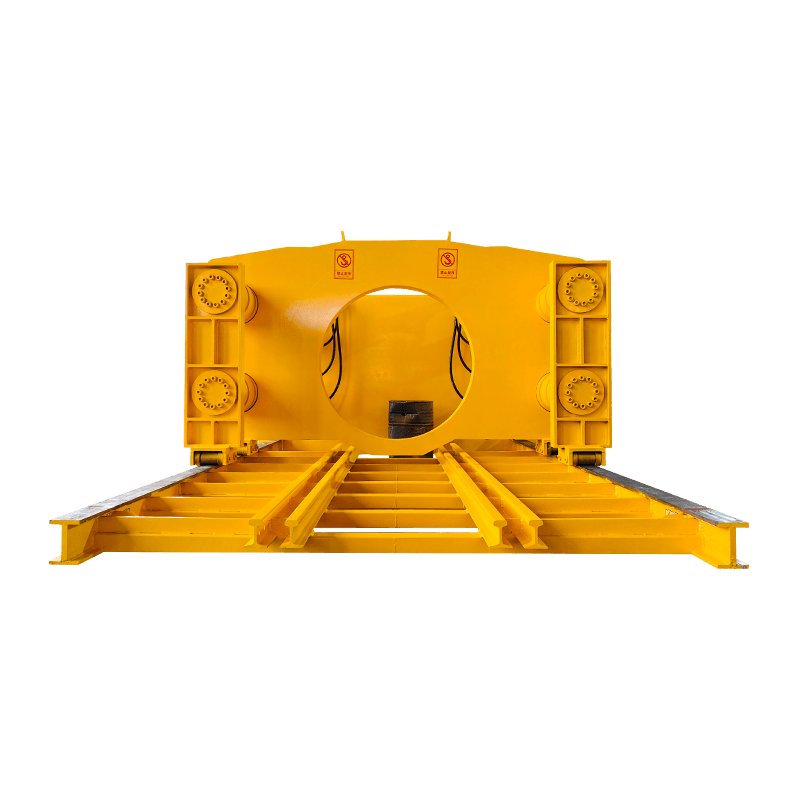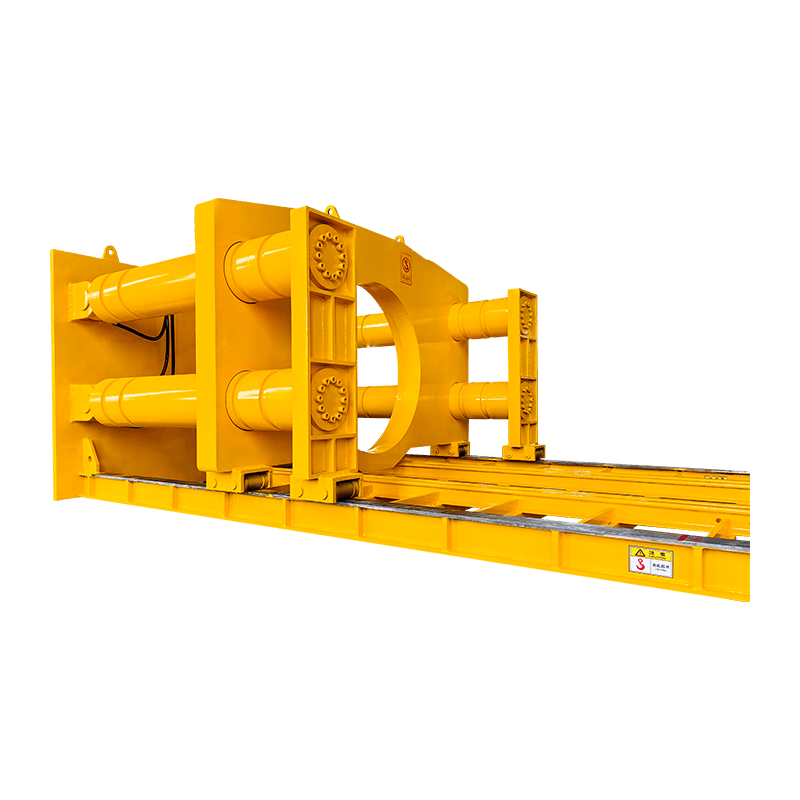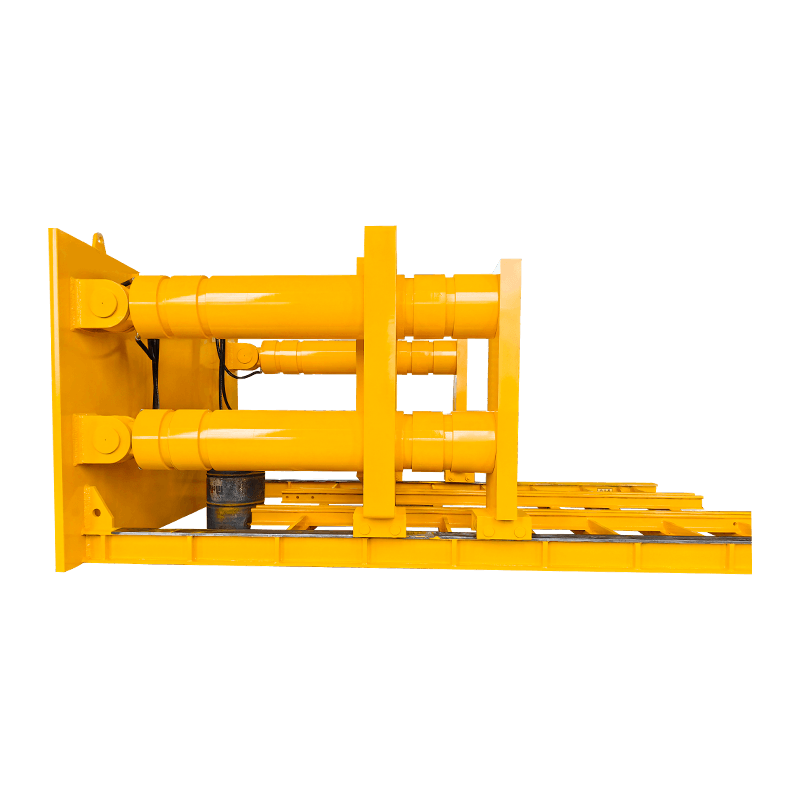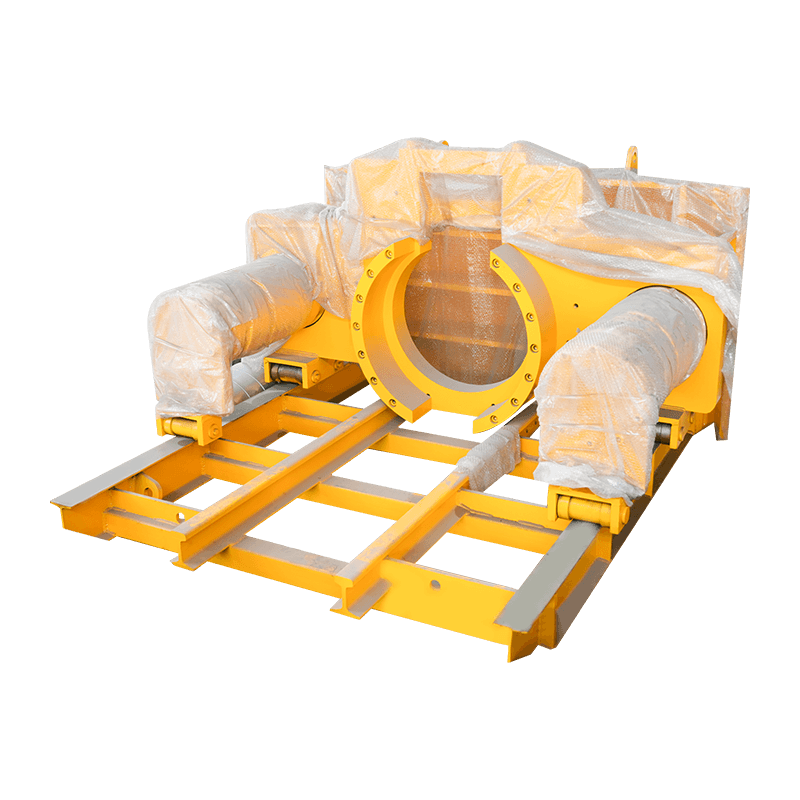




Was eine Erddruckausgleichsrohrvortriebsmaschine tatsächlich leistet
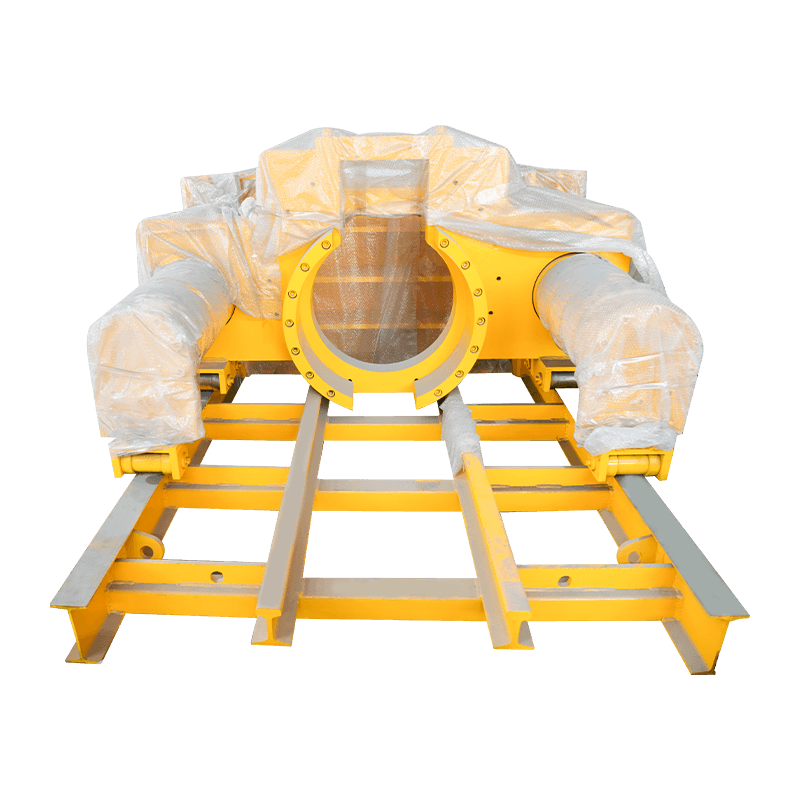
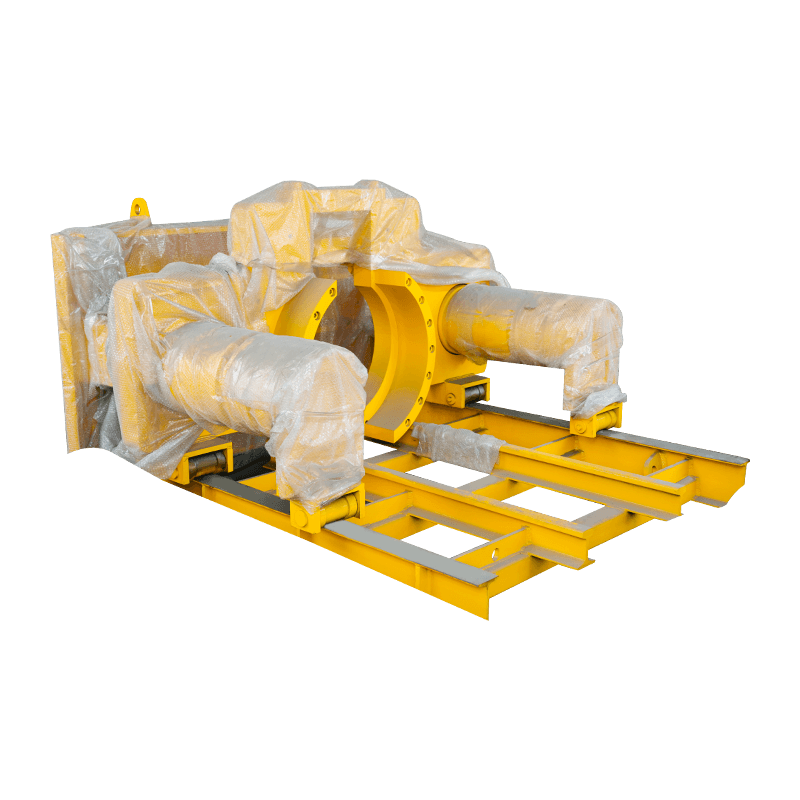
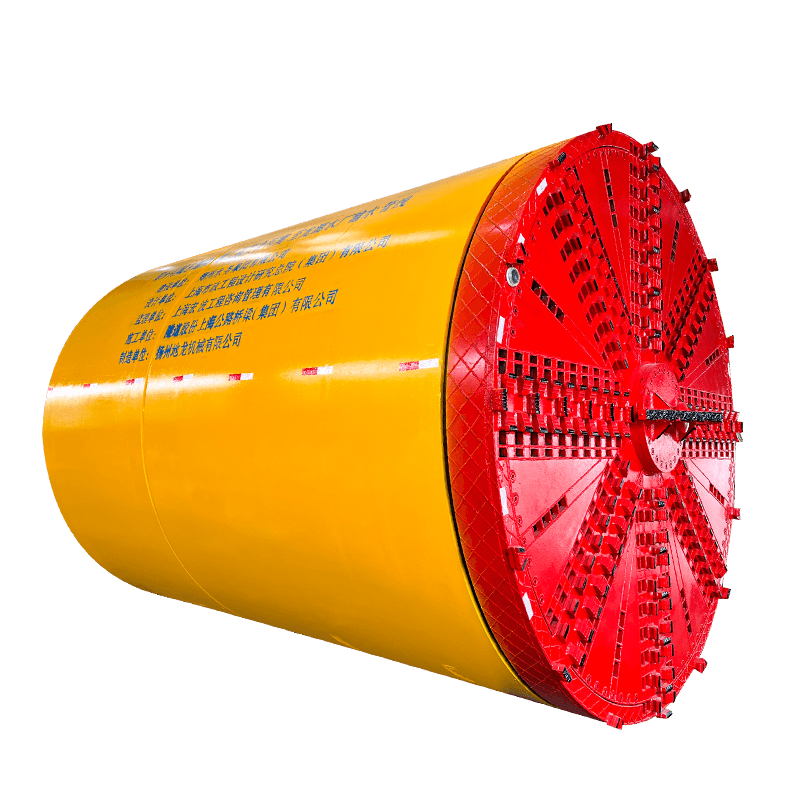
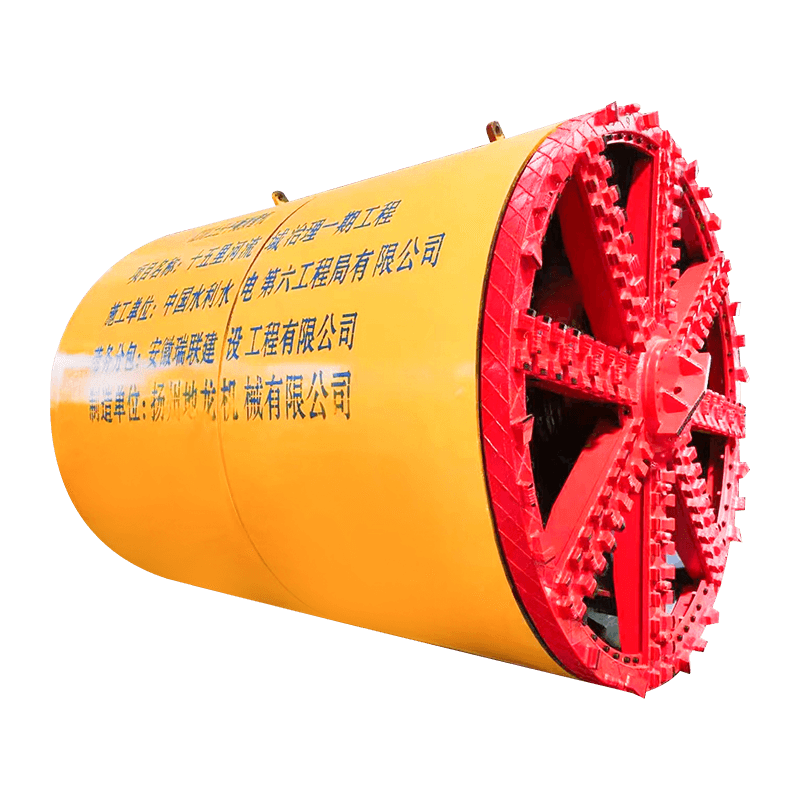
Bei einer Erddruckausgleichs-Rohrvortriebsmaschine handelt es sich um ein grabenloses Tunnelbausystem, das den Boden an der Schnittfläche aushebt und gleichzeitig dahinter Rohre verlegt, ohne dass entlang der gesamten Pipelinetrasse ein offener Graben erforderlich ist. Es wird typischerweise für den Bau großer kommunaler Rohrleitungen wie Abwasser-, Wasserversorgungs-, Stromkabel- und Kommunikationskabelrohre verwendet, normalerweise mit Rohrabschnitten aus Beton oder Stahl, die für Erde, Sand, Kieselsteine und Kies mit kleinen Partikelgrößen geeignet sind. Anstatt eine Straße oder ein offenes Gelände auszuheben, starten die Teams die Maschine von einem Schacht aus und bohren sich vorwärts, während vorgefertigte Rohrabschnitte direkt dahinter eingepresst werden, sodass die Oberfläche weitgehend unberührt bleibt.
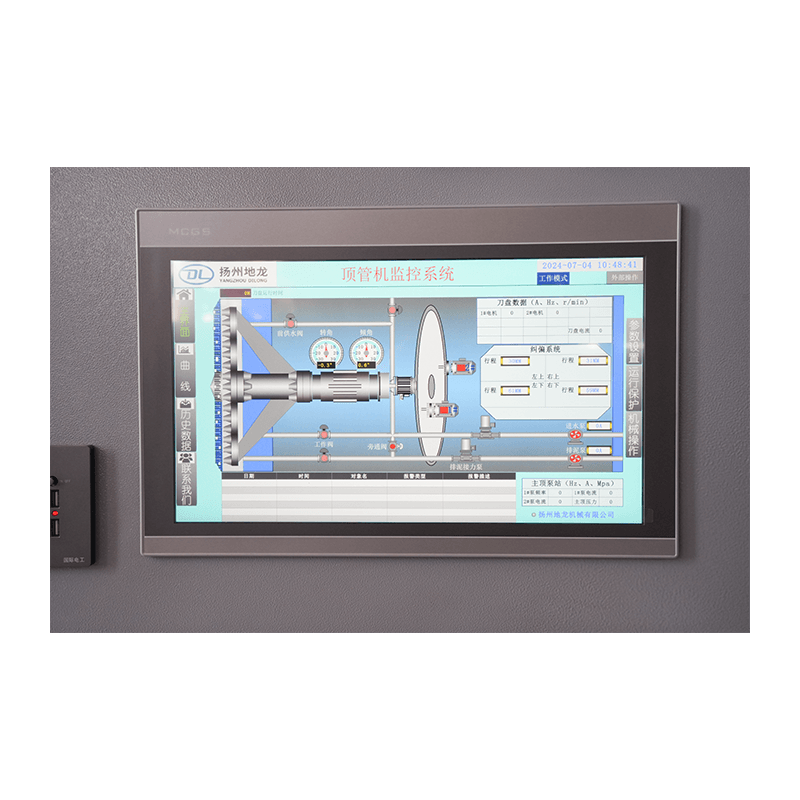
Der Teil des Namens „Erddruckausgleich“ bezieht sich auf die Art und Weise, wie die Maschine die Baugrube bewältigt. Der Erddruck am Schneidkopf wird ausgeglichen, indem die Vortriebsgeschwindigkeit des Tunnels im Verhältnis zur Austragsgeschwindigkeit des ausgehobenen Bodens gesteuert wird. Dabei liefern Sensoren an der Trennwand, der Förderschnecke und den Lenkzylindern Druckdaten an den Bediener zurück, damit diese in Echtzeit angepasst werden können. Dieser ständige Balanceakt sorgt dafür, dass der umgebende Boden während des Aushubs stabil bleibt und die Art von Oberflächensetzung oder -einsturz verhindert wird, die auftreten kann, wenn eine Tunnelwand nicht ordnungsgemäß gestützt wird.
So funktioniert die Erddruckausgleichsmethode Schritt für Schritt
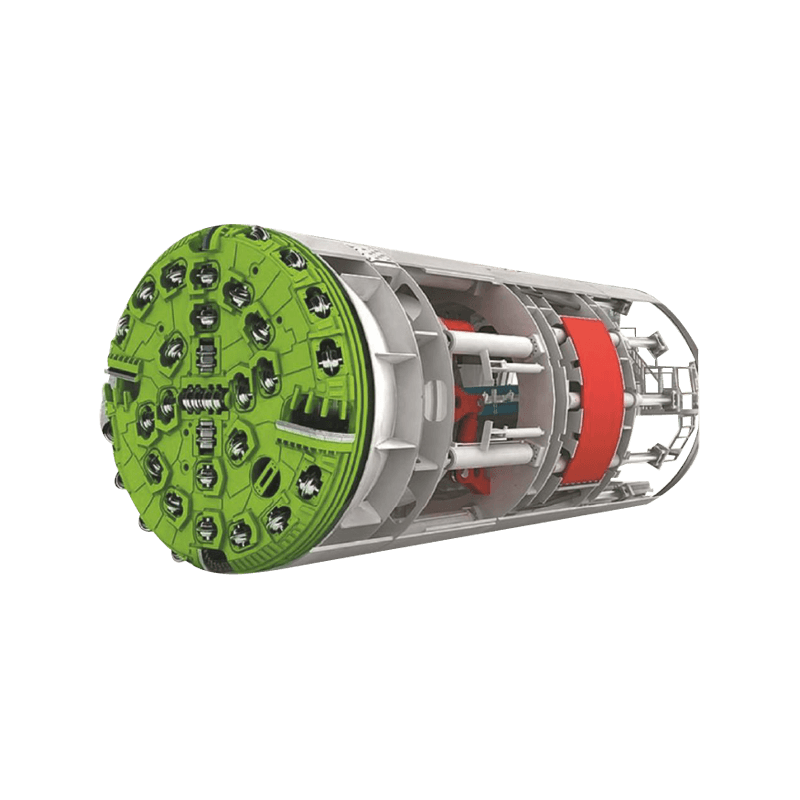
Der EPB-Rohrvortrieb basiert auf einer versiegelten Aushubkammer an der Vorderseite der Maschine, in der der ausgehobene Boden unter kontrolliertem Druck gehalten und nicht sofort entfernt wird. Diese Technologie basiert auf der mechanischen Druckanwendung durch eine Kammer mit variabler Dichte, die während des gesamten Aushubvorgangs das Gleichgewicht zwischen Bodendruck und Maschineninnendruck aufrechterhält. Während sich der Schneidkopf dreht und den Boden an der Tunnelwand aufbricht, füllt dieses Material die Kammer und fungiert als temporäres Stützmedium, das die umgebende Erde und das Grundwasser zurückhält, während die Maschine weiter vordringt.
Bei weichen, bindigen Böden werden grundsätzlich Tunnelbohrmaschinen mit Erddruckausgleichsunterstützung bevorzugt, da der aufgelockerte und konditionierte Boden als plastisches Stützmedium für die Tunnelbrust fungiert und nach vollständiger Befüllung der Abbaukammer ein unkontrolliertes Eindringen des Erdreichs in die Maschine verhindert und gleichzeitig die Voraussetzungen für einen schnellen und sicheren Tunnelvortrieb geschaffen werden. Um dies zu unterstützen, können Bodenverbesserer wie Schaum und andere Polymere in die Kammer injiziert werden, um die Plastizität und Undurchlässigkeit des Bodens zu erhöhen. Dies ist besonders nützlich, wenn Bodenarten bearbeitet werden, die unter Druck von Natur aus nicht gut zusammenhalten.
Am Prozess beteiligte Kernkomponenten
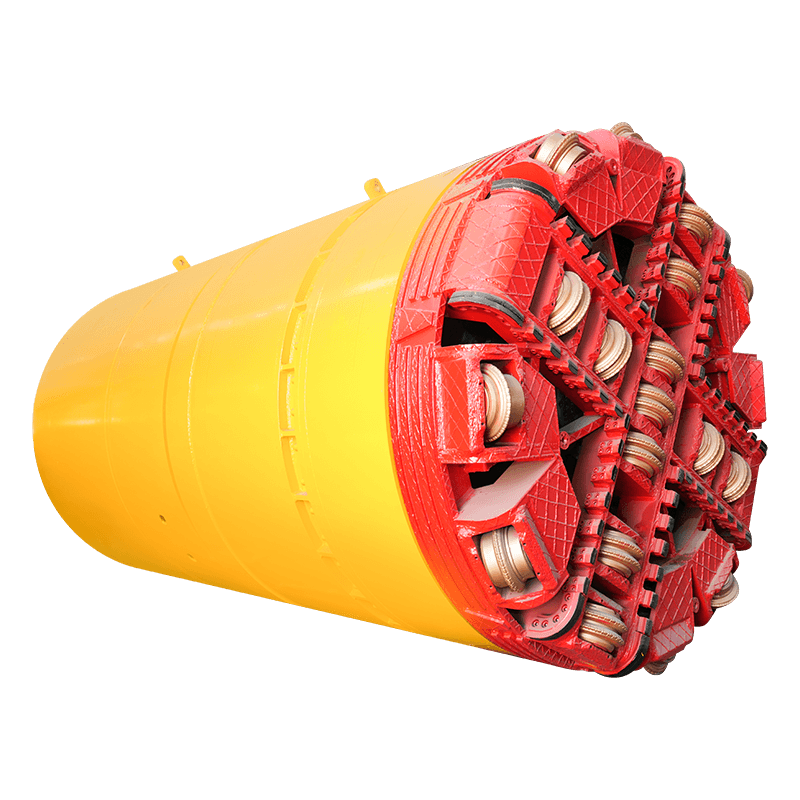
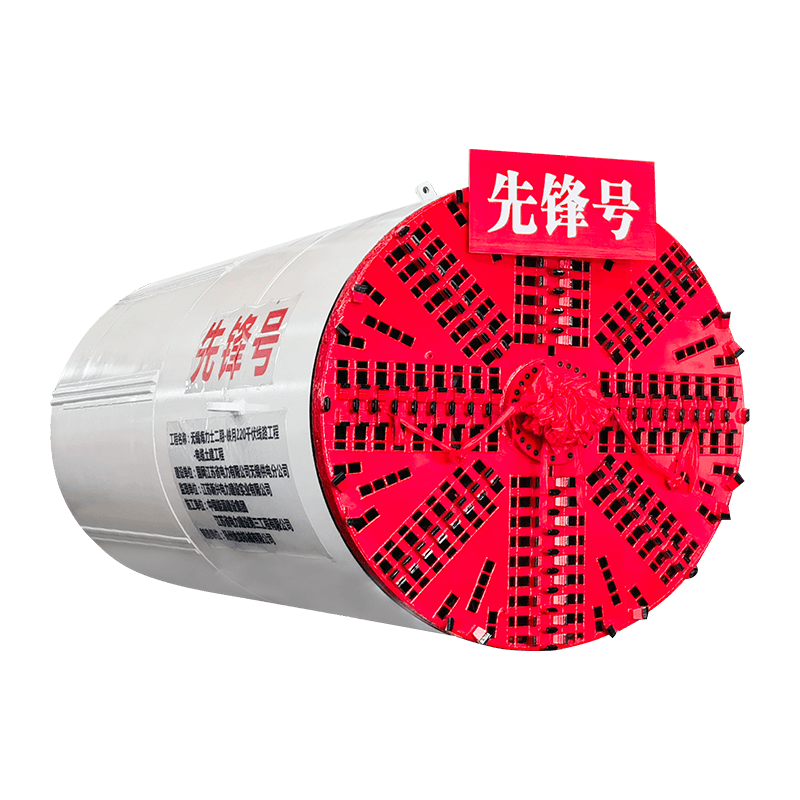
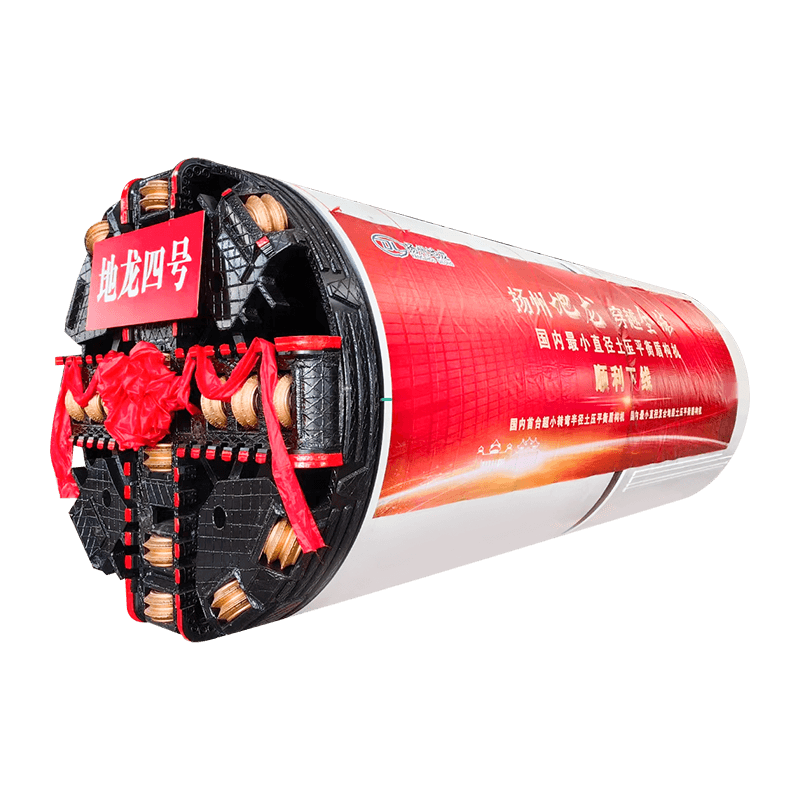
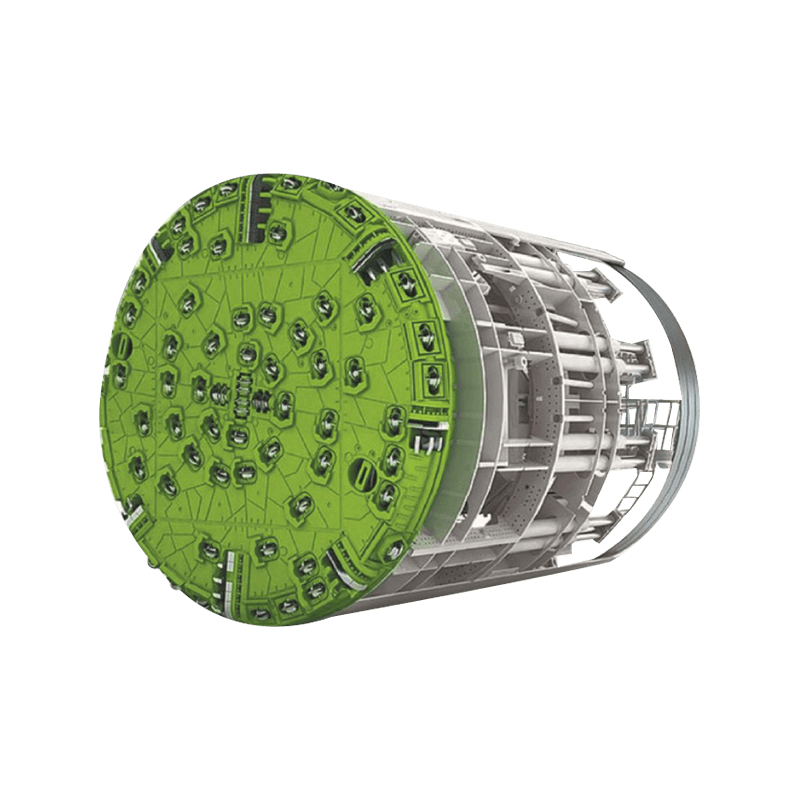
- Ein rotierender Schneidkopf, der an der Tunnelwand Erde, Gesteinsfragmente oder gemischte Bodenverhältnisse aufbricht
- Eine versiegelte Aushubkammer, die Aushubmaterial unter kontrolliertem Druck hält
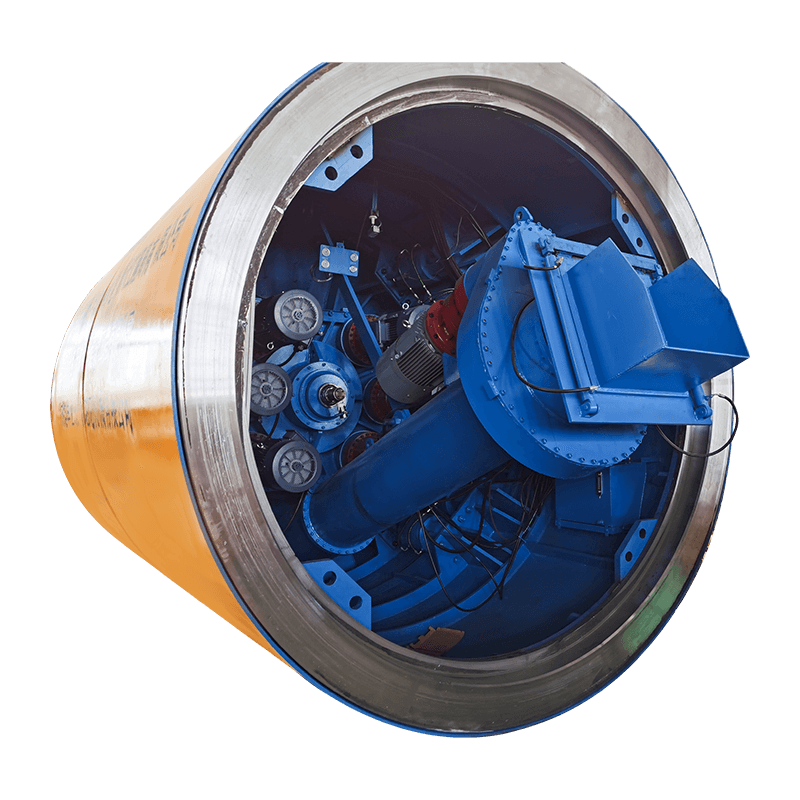
- Eine Förderschnecke oder ein Schlammsystem, das den Erdaushub in kontrollierter Geschwindigkeit abtransportiert
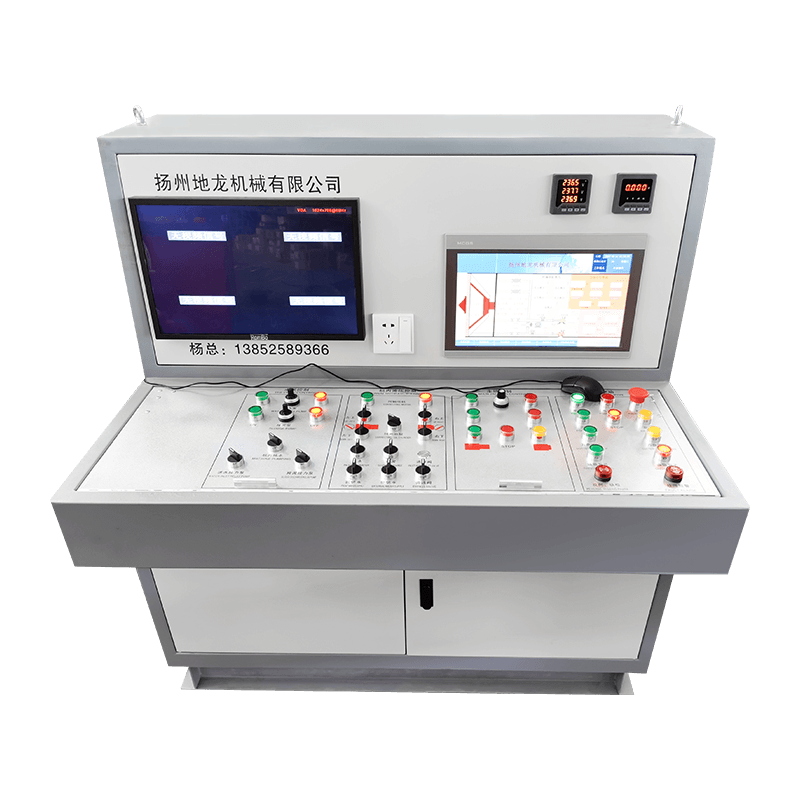
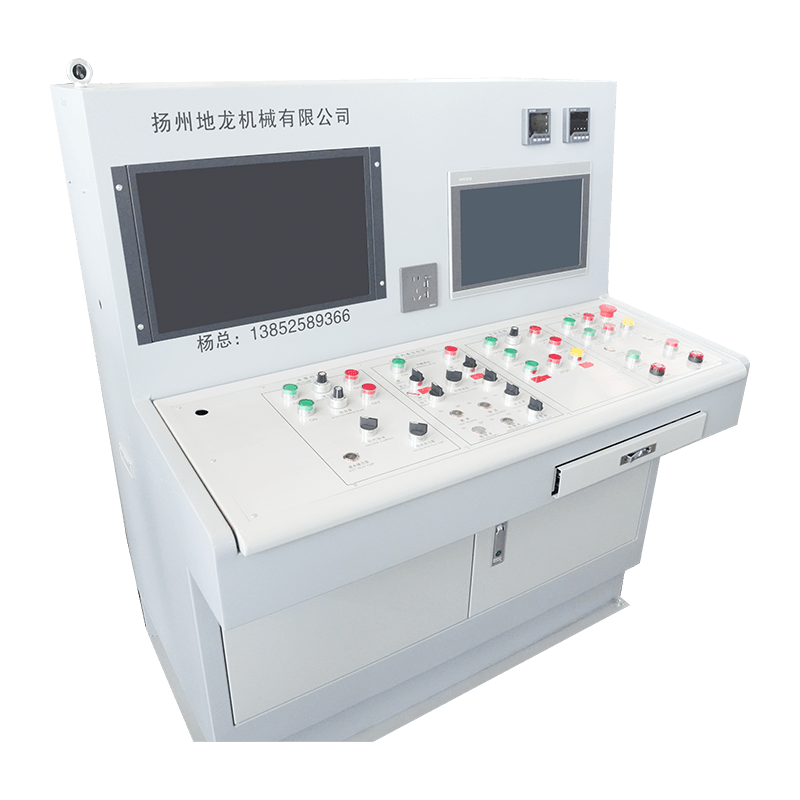
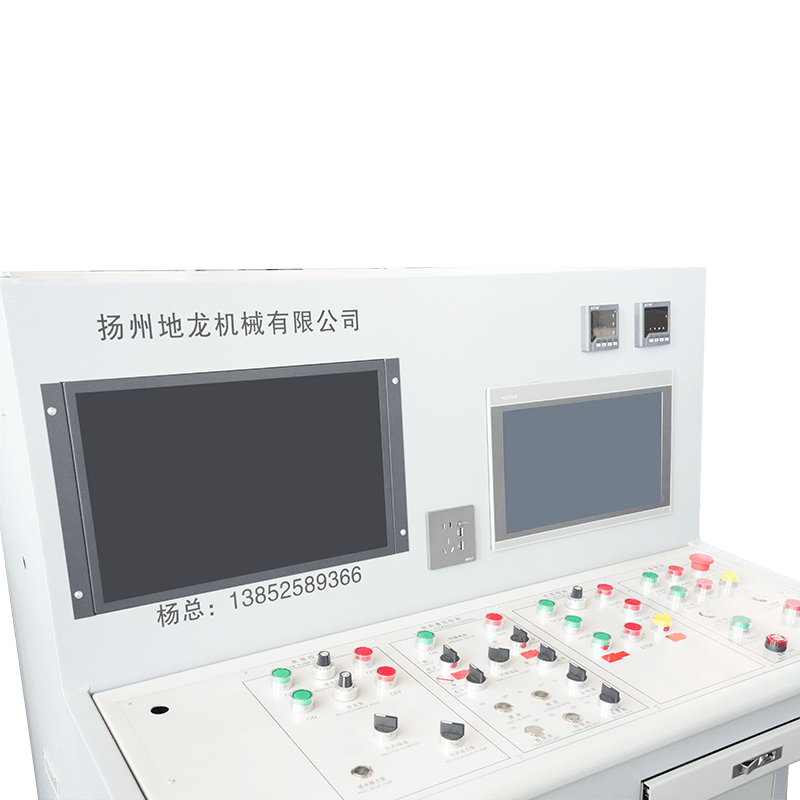
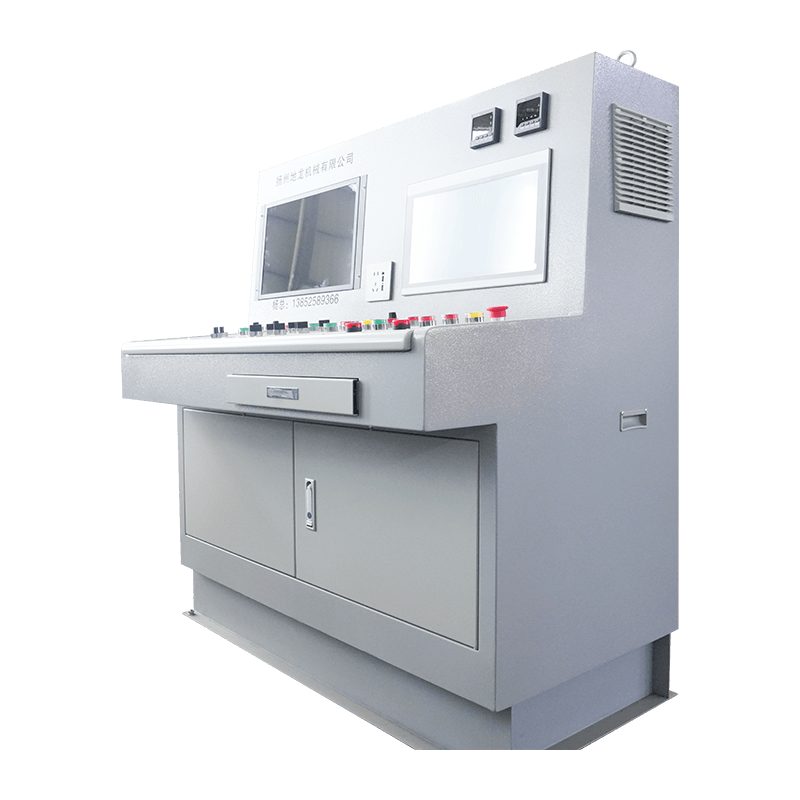
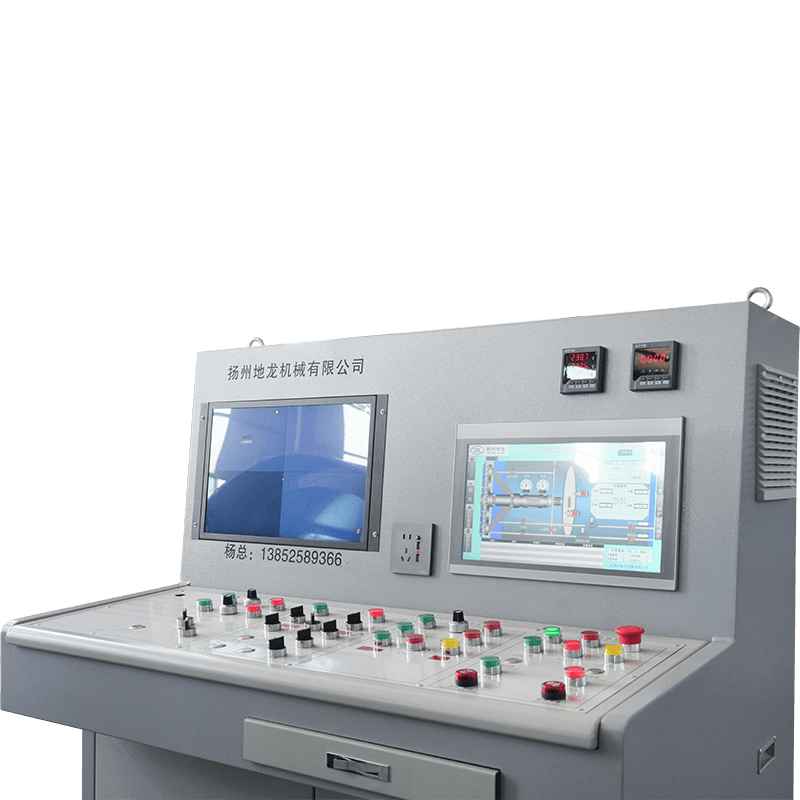
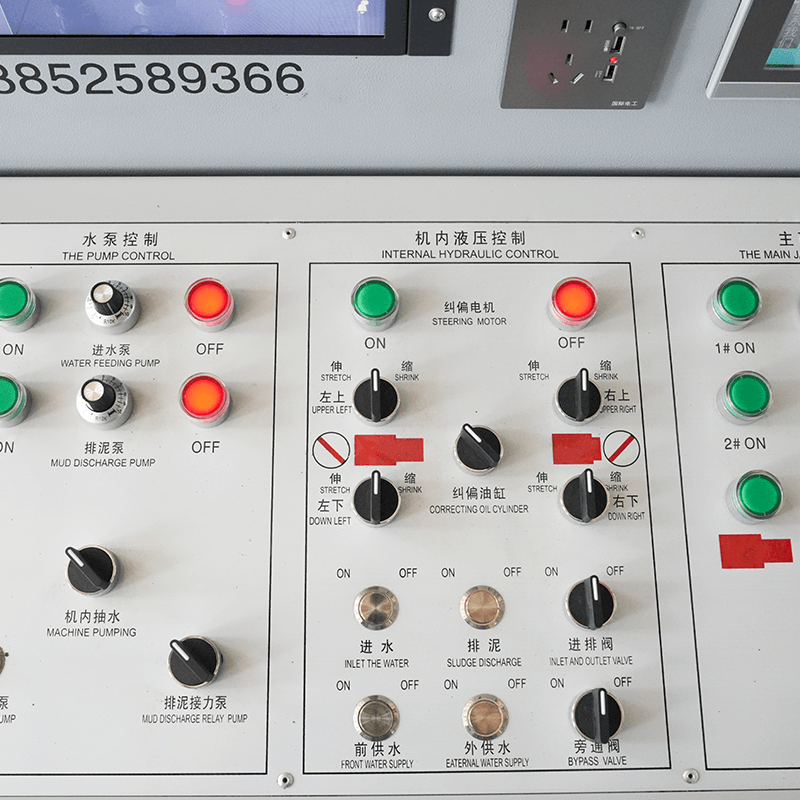
- Drucksensoren an der Trennwand und den Lenkzylindern, die dem Fahrer Live-Daten liefern
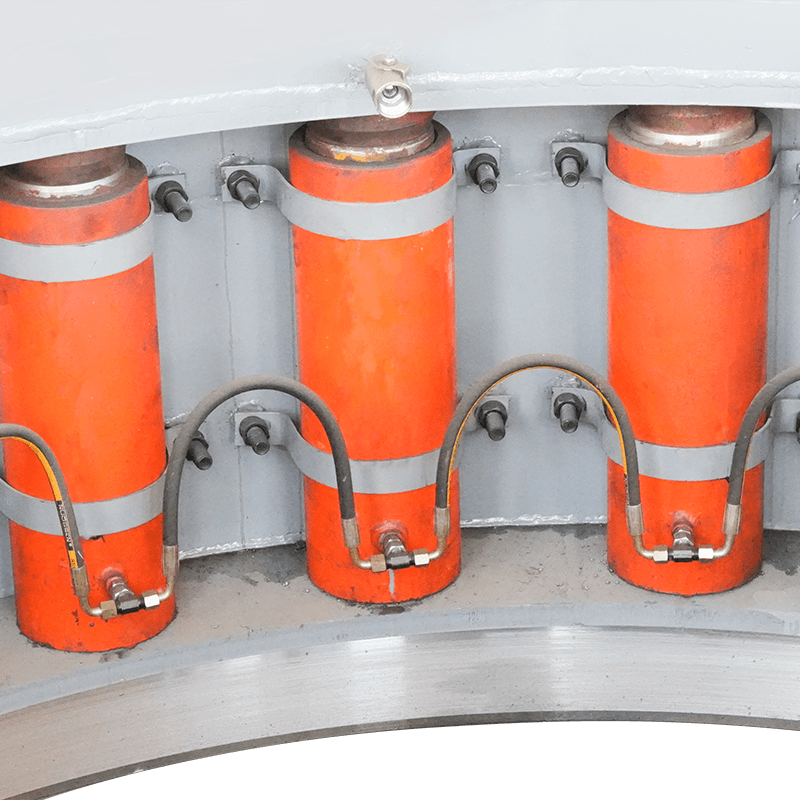
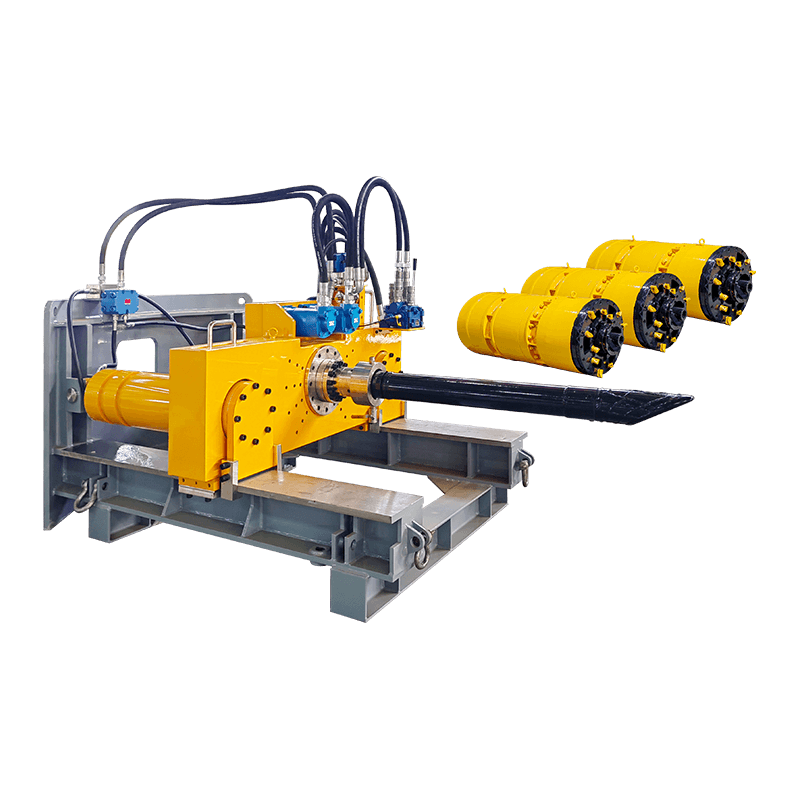
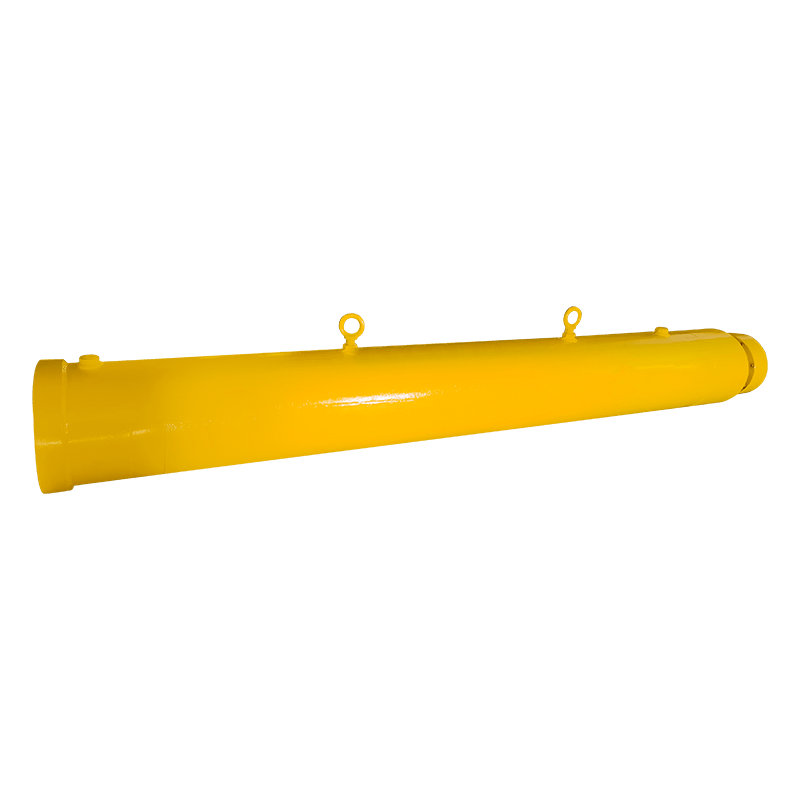
- Hydraulische Vortriebszylinder, die vorgefertigte Rohrabschnitte hinter der Maschine nach vorne schieben
Warum Ingenieure EPB anderen Rohrvortriebsmethoden vorziehen
Rohrvortriebsprojekte wählen im Allgemeinen zwischen zwei Hauptansätzen zum Druckausgleich: Schlammausgleich und Erddruckausgleich. Während Schlammsysteme unter Druck stehende Flüssigkeit zirkulieren lassen, um das Grundwasser zu verwalten und die Tunnelwand zu stabilisieren, ist ein Erddruckausgleichsrohrvortriebsmaschine erreicht ein ähnliches Ziel, indem der ausgehobene Boden selbst bei Bedarf aufbereitet wird, anstatt sich auf einen separaten Flüssigkeitskreislauf zu verlassen. Diese Unterscheidung ist wichtig, da sie sich direkt auf die Komplexität der Ausrüstung, die Bodenfläche und die Leistung einer bestimmten Maschine unter bestimmten Bodenbedingungen auswirkt.
Erddruckwaage vs. Güllewaage auf einen Blick
| Faktor | Erddruckwaage | Güllebilanz |
| Beste Bodenverhältnisse | Weiche, bindige Böden; Erde, Sand und Kies | Wasserführendes Gestein und lockere Formationen |
| Druckmanagement | Mechanisch, über konditionierten Boden in der Kammer | Unter Druck stehender Flüssigkeitskreislauf |
| Oberflächengrundfläche | Kleinere, einfachere Schlackenhandhabung | Größer, erfordert eine Trennanlage |
| Grundwasserbehandlung | Gut mit Konditionierungsmitteln | Hervorragend geeignet bei hohem Wassereintritt |
Wichtige Leistungsvorteile bei realen Projekten
Über die grundlegende Mechanik hinaus erklären mehrere praktische Vorteile, warum Erddruckausgleichsrohrvortriebsmaschinen zu einer bevorzugten Wahl für kommunale Infrastrukturprojekte geworden sind. Mit dieser Methode wird eine sichere, effiziente und qualitativ hochwertige grabenlose Verlegung mittlerer und großer Rohrleitungen über gerade oder gebogene Vortriebsstrecken von maximal 1000 Metern erreicht, wobei der Schlackentransport bequem und effektiv bei der Kontrolle von Bodensetzungen ist. Diese Setzungskontrolle ist einer der Hauptgründe, warum Städte diese Methode für Projekte bevorzugen, die unter stark befahrenen Straßen, bestehenden Versorgungsleitungen oder empfindlichen Bauwerken verlaufen, da durch die Minimierung von Oberflächenstörungen kostspielige Reparaturen und Verkehrsstörungen vermieden werden, die sonst bei einem offenen Grabenansatz erforderlich wären.
Moderne EPB-Rohrvortriebsmaschinen verwenden außerdem eine Übertragungsmethode mit niedriger Geschwindigkeit und hohem Drehmoment, um die Schneidkraft zu steigern, mit Überlastfaktoren, die das Dreifache der normalen Betriebslast erreichen können, was ihnen eine hohe Flexibilität für die Arbeit in einer Vielzahl von Bodentypen, einschließlich grobem Sand und verwittertem Sandstein, verleiht. Unabhängige Bodeninjektions- und Injektionssysteme können die Bedingungen an der Baugrube je nach Bedarf weiter verbessern, und da baubedingte Bodensenkungen gering bleiben, kann die erforderliche Mindestüberdeckung nur das 1,5-fache des Tunneldurchmessers betragen, was flachere Installationsmöglichkeiten eröffnet, die mit weniger präzisen Methoden nicht realisierbar wären.
Typische Anwendungen in Infrastrukturprojekten
Erddruckausgleichsrohrvortriebsmaschinen werden am häufigsten bei Projekten eingesetzt, bei denen die Minimierung von Oberflächenstörungen genauso wichtig ist wie die Pipeline selbst. Kommunale Abwasser- und Wasserversorgungsleitungen sind nach wie vor die häufigste Anwendung, insbesondere in dicht besiedelten städtischen Gebieten, wo das Ausheben eines offenen Grabens den Verkehr, bestehende Versorgungsleitungen und nahegelegene Bauwerke wochen- oder monatelang beeinträchtigen würde. Stromkabelrohre und Kommunikationskabelrohre folgen knapp dahinter, da Versorgungsunternehmen zunehmend die grabenlose Installation bevorzugen, um die Kosten und Unterbrechungen des Oberflächenaushubs über stark befahrene Korridore zu vermeiden.
Wo diese Methode tendenziell leistungsfähiger ist als der Bau mit offenem Graben
- Dichte städtische Straßen, in denen die Beeinträchtigung der Oberfläche minimal bleiben muss
- Kreuzungen unter Straßen, Schienen oder Wasserstraßen, bei denen ein offener Aushub nicht praktikabel ist
- Standorte mit vorhandenen unterirdischen Versorgungsleitungen, die während der Installation nicht gestört werden können
- Umweltsensible Bereiche, in denen oberflächliche Ausgrabungen dauerhafte Schäden verursachen würden
- Langstrecken-Pipelinestrecken, bei denen Zwischenvortriebsstationen die Gesamtvortriebslänge verlängern können
Was Sie vor der Auswahl einer Maschine für Ihr Projekt bewerten sollten
Die Auswahl der richtigen Erddruckausgleichs-Rohrvortriebsmaschine für ein bestimmtes Projekt beginnt mit einem klaren Verständnis der Bodenbedingungen, da die Methode bei bestimmten Bodentypen am besten funktioniert und bei anderen ohne die richtigen Modifikationen Probleme bereiten kann. Die Überprüfung geotechnischer Vermessungsdaten vor der Auswahl der Ausrüstung hilft bei der Entscheidung, ob die Standard-EPB-Konfiguration ausreicht oder ob zusätzliche Funktionen wie verbesserte Injektionssysteme oder spezielle Schneidköpfe erforderlich sind, um härteren oder variableren Boden zu bewältigen. Projektlänge, Kurvenanforderungen und erforderlicher Rohrdurchmesser beeinflussen auch die Maschinenauswahl, da nicht jedes EPB-System für die gleichen Vortriebsabstände oder Krümmungstoleranzen ausgelegt ist.
Fragen, die Sie mit Ihrem Ausrüstungslieferanten klären müssen
- Was sagt die geotechnische Untersuchung über die Bodenbeschaffenheit entlang der geplanten Trasse aus?
- Welcher Rohrdurchmesser ist erforderlich und liegt dieser im Nennbereich der Maschine?
- Umfasst das Projekt eine Kurvenausrichtung und welche Krümmungstoleranz unterstützt die Maschine?
- Werden für längere Fahrten Zwischenbockstationen benötigt?
- Welche Verfugungs- oder Bodenaufbereitungsfunktionen bietet die Maschine für unterschiedliche Böden?